Aqua Watch - Stagnant Water Detection System
Early Malaria Prevention
Early Malaria Prevention
Early Malaria Prevention
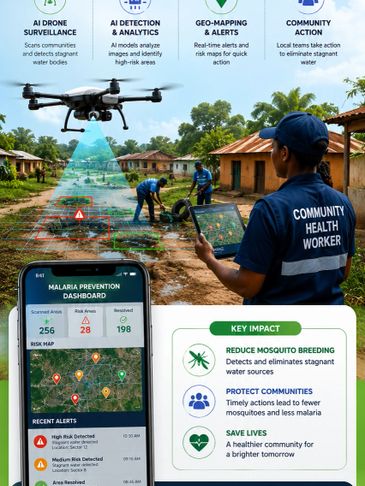
The biggest benefit is: preventing mosquito breeding before malaria spreads. Instead of waiting for people to become sick, the system identifies early breeding zones, stagnant water, and high-risk environments for malaria prevention. This shifts the nation from reactive healthcare to a more proactive approach in public health.
Reduced Malaria Cases
Early Malaria Prevention
Early Malaria Prevention
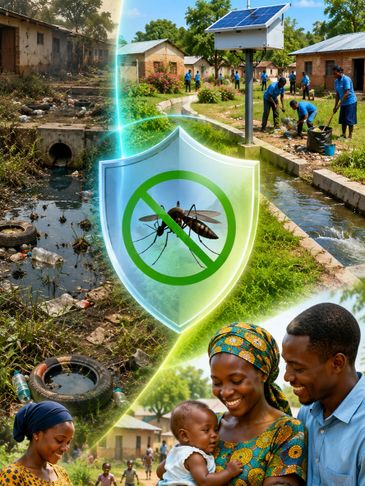
By reducing mosquito breeding sites, malaria prevention becomes more effective: malaria transmission decreases, household infections reduce, and community outbreaks become manageable. This is especially beneficial for children, pregnant women, and rural communities, ultimately supporting public health.

Lower Healthcare Costs
Early Malaria Prevention
Lower Healthcare Costs
Reduced malaria through effective malaria prevention means: fewer hospital visits, lower medicine consumption, and a reduced emergency treatment burden. This not only saves family money but also decreases government healthcare expenditure, ultimately benefiting public health by minimizing the impacts of mosquito breeding.